
Chili City Directory Collection Shelf
The local starting point is the Rochester Public Library's Local History & Genealogy collection. Its city directories are Rochester-centered, so a listing in an urban volume is not proof that the same edition covered the Town of Chili. The useful Chili route is broader: check the original city directories, the reverse house volumes, suburban directories, maps, newspapers, and county records together. The library's collection page makes many scans available, while the physical materials remain noncirculating.
| Collection | Verified reach | Where held | Access |
|---|---|---|---|
| Rochester City Directories | Broad collection from 1827; many scans from 1827 to 1930, with visible gaps | Rochester Public Library Local History & Genealogy | Noncirculating originals; many year PDFs |
| Rochester House Directories | 1892 to 1920 | Rochester Public Library | Address-to-occupant route; inspect the volume |
| Street material in main volumes | From 1922 | Rochester Public Library | Back section of the main directory |
| Rochester Suburban Directories | Guide describes 1930 to current; digital 1930 to 1940 material identified | Library and digital collections | Chili coverage is uneven by year |
The year links do not form an unbroken annual run. A download is a convenient starting copy, but the title page and introductory pages are still part of the record. They identify the edition and help explain what that particular directory set tried to cover.
Note: A Rochester city directory and a Town of Chili address are related historical leads, not interchangeable jurisdictions.
Chili Directory Title Pages
Do not assign a publisher to a Chili volume until the chosen scan proves it. The inspected official material calls the series Rochester City Directories, but it does not supply a complete publisher-by-year bibliography. Read the title page for the publisher, publication place, year, edition, and any introductory notes. This matters when two nearby volumes have different layouts or different areas of coverage.
The Rochester City Directories digital collection supplies year-linked scans, including early volumes, and the library says a Gleason Foundation grant helped digitize many of them. Record the PDF page or scan reference as well as the printed page. That small habit makes a later review possible when initials, abbreviations, or a hard-to-read street name need another look.
Chili Directory Research Desk
The Local History & Genealogy room is on the second floor of the Central Library's Rundel Memorial Building, 115 South Avenue in Rochester. Materials are noncirculating, walk-ins are welcome, and appointments are recommended for special collections or deeper work. The library warns that construction and digitization activity can affect access, especially for microfilm and special collections, so check current access before a visit.
That room joins directory research to historic newspapers, scrapbooks, serials, map databases, the 1950 Census, and a Life Records index for notices from roughly 1960 to 2016. A Chili search often needs this wider shelf because a town resident may be absent from an older city book yet appear in a newspaper notice, a county map, or a suburban volume. Library staff and collection notes can help identify the best format without treating an incomplete scan as the whole record.
Chili Suburban Directory Test
Chili is a suburban directory problem. The house-history guide describes suburban alphabetic directories from 1930 forward, but says early coverage concentrates on Brighton, Gates, Greece, and Irondequoit. Other towns appear later, and not every town appears in every year. For Chili, open the selected volume or suburban directory and inspect its index and locality treatment before relying on it for a household.
The reverse search method is strongest in the house directories from 1892 to 1920. After 1922, street and house information moves to the back of the main volume. When an older Chili address is not present, test a hamlet name, rural route, road spelling, or family surname. Then move to county plats, deed legal descriptions, and the Town or County Historian materials rather than forcing a modern address into a book that did not cover it.
For a present-day address trail after the historical work, the Chili street directory explains the modern parcel and address records that complement these printed volumes.
Reading Chili Directory Entries
A directory entry is a dated snapshot. Copy each line exactly, including initials and abbreviations, because the spelling may be the link to a census line, deed index, or newspaper item. An entry can give a residence, a street number, an occupation when printed, a spouse or household notation, a business address, and a status note. Any one field can be absent, so the abbreviation key and editorial notes are part of the evidence.
| Name | Copy the printed surname, given name, and initials exactly. |
|---|---|
| Residence | Record the street, number, locality, or route as printed. |
| Occupation | Preserve the wording only when the edition supplies it. |
| Household notation | Note spouse, relative, widow, or other status wording without expanding it. |
| Street entry | Use the reverse house volume or later back section for an address-to-occupant line. |
| Page reference | Keep the printed page and the PDF or image location for repeat checking. |
- Criss-cross section
- The street-order portion used to move from an address toward the listed occupant. In this collection, comparable street material is in house directories through 1920 and later main-volume back sections.
- Householder index
- An address-oriented listing that can identify the household line attached to a particular street number.
- Abbreviation key
- The volume's own explanation of short forms and notation. Keep it with the transcription instead of guessing what a mark means.
Chili Directory Dates
Use the printed year as a time marker, not as a claim that someone lived at the address all year. The following milestones describe the verified shelf and the local history that can frame a directory search.
- 1822: Chili was established from Riga, and its first town meeting was recorded on April 2 at James Coleman's Inn, also called Buckbee Corner.
- 1827: The Rochester city-directory collection begins in the library's broad holdings.
- 1872: The Beers Atlas owner index supplies a county property-name lead.
- 1892 to 1920: Rochester House Directories provide the identified address-to-occupant sequence.
- 1922: Street and house information moves into the main directory's back section.
- 1930 onward: The guide describes suburban directories, with Chili inclusion to be checked volume by volume.
Chili Directory Map Index
The 1872 Beers Atlas owner index offers a useful numbers-based companion to the directory shelf: the library genealogy indexes describe more than 11,500 property owners. It is a name-to-property lead, not an occupant list and not a substitute for a deed. Pair a Beers result with county plats from 1902, 1924, 1931, or 1941, then compare the legal description with later maps and deed references.
Historic map runs can keep a locality visible when an old directory uses a road or hamlet name that has changed. Digital Sanborn material spans 1867 to 1970, FIMo maps span 1875 to 1950, and pasteovers run from 1911 to 1955, but Chili inclusion varies. Map dates describe the collection, not coverage for every Chili parcel.
Chili Postal Directory Clues
Two local record clues can make a historical directory search less vague. The April 2, 1822 first-meeting record at James Coleman's Inn or Buckbee Corner is a precise phrase for newspaper, Town Historian, and historical-index searches. A later postal clue comes from the Town's 2025 history newsletter: George Cortelyou appointed Eliza Love postmaster at Bealsburg on March 21, 1905, and Chili had seven post offices around that era.
Bealsburg is a locality and postal-history search term, not evidence of a current boundary. It can explain why a directory or newspaper uses a place name that does not match a modern address lookup. Search it with a road, owner name, church, or family name, then verify the resulting place against the dated source.
The Monroe County historical index provides collection categories that can extend a Chili directory lead into land, probate, church, cemetery, census, vital, court, and newspaper material.
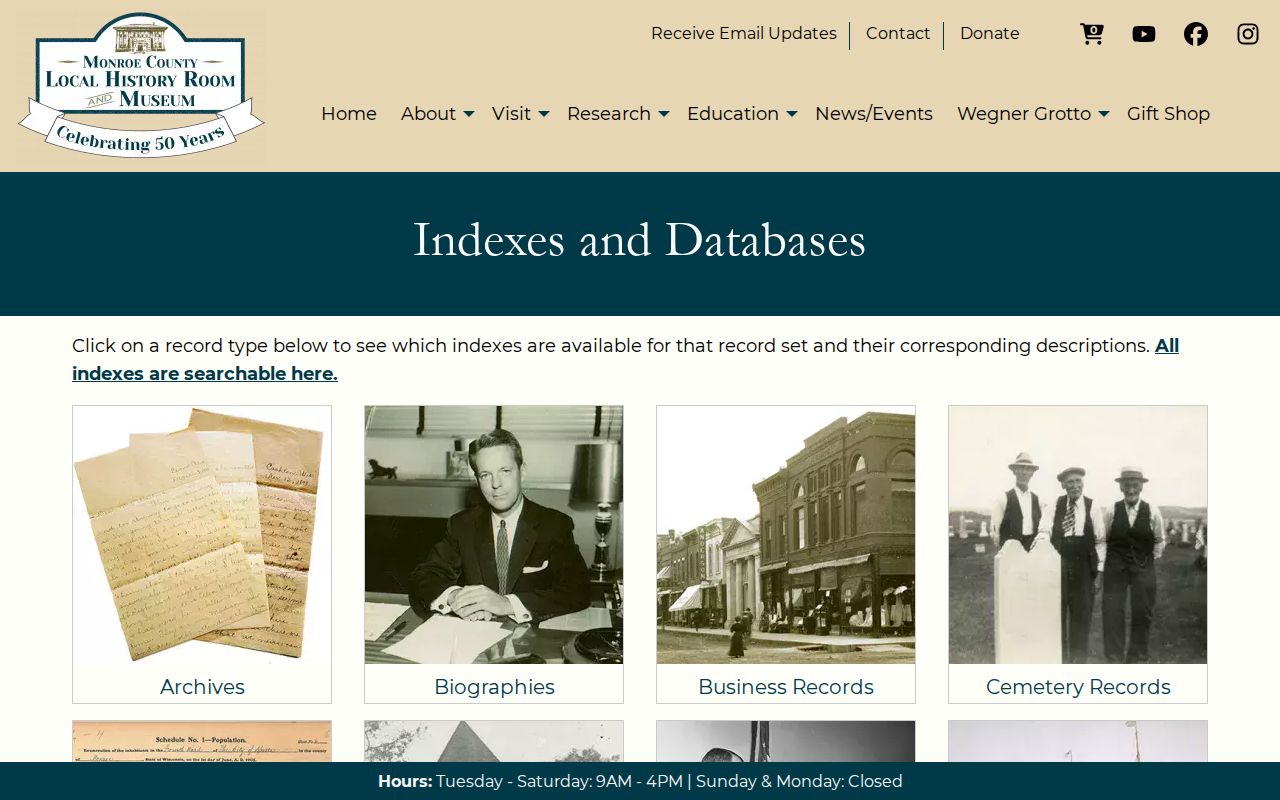
Those categories help choose a second source after a name or locality appears in a volume, instead of treating one printed listing as a complete family record.
Tracing Chili Households in Directories
A careful household trail uses the date on each source. Begin with the closest reverse or house directory, then move to the alphabetical entry and the census years that bracket it. The federal 1950 Census is the latest generally released census in the current sequence. A listed owner is not automatically every person who lived at an address, so keep ownership, occupancy, and family composition as separate notes.
- Normalize the street spelling, number, postal city, ZIP, and municipality before opening a directory.
- Check the nearest reverse or house directory and copy every occupant line exactly as printed.
- Search the alphabetical section for each surname and initial, noting moves and household wording.
- Pair the directory year with released census records and inspect the enumeration district and household members.
- Use the assessment roll, deed book or page reference, and the Monroe County SearchIQS index to anchor an ownership date.
- Search the newspaper index and historical collections by name plus address, then test old road names or rural routes when an address disappears.
Newspaper research is often the next move. Rochester Newspaper Index coverage begins in 1818 and runs to 1897, while the Life Records notices cover about 1960 to 2016; other local paper runs vary. A notice may add a church, road, family link, or event that makes the next directory search more precise.
Note: Write down the directory year, census year, recording date, and map date separately so a dated historical lead is not mistaken for a current address.